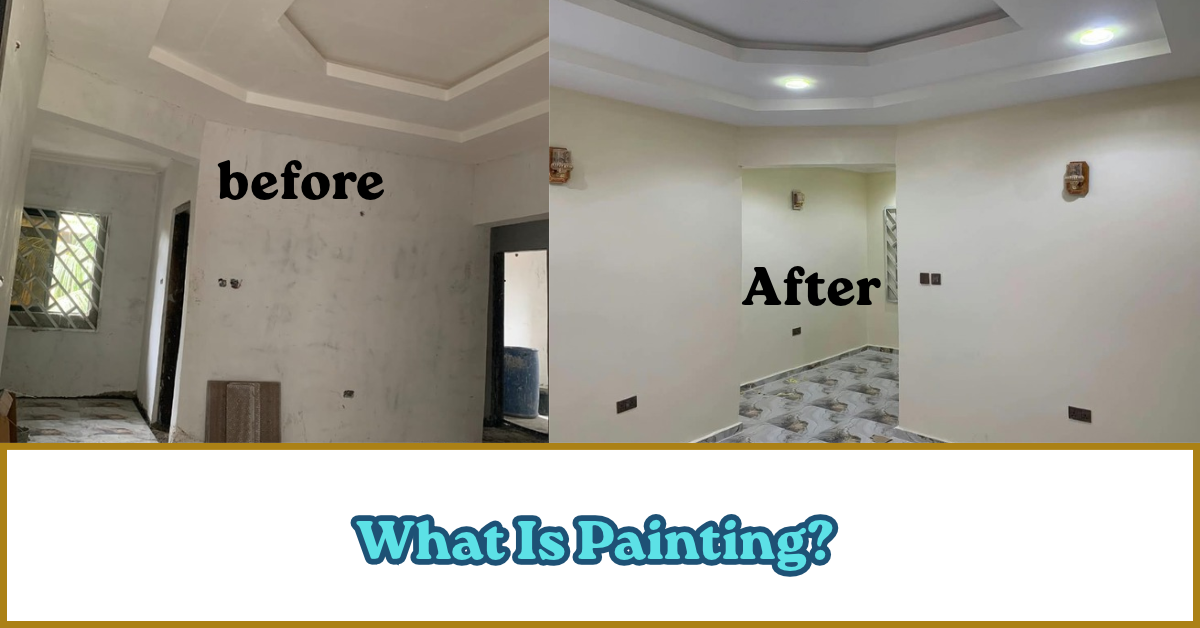
Painting is the process of applying paint to a surface to improve its appearance, protect it from damage, or give it a particular finishing. In building construction, painting is used on walls, ceilings, doors, windows, metalwork and other surfaces to produce a beautiful appearance and help preserve the materials beneath the paint.
Painting is an important part of building finishing. A well-painted house can look cleaner and more attractive, but achieving a good result requires more than choosing a beautiful colour. The surface must be properly prepared, the correct paint must be selected, and the paint must be applied using a suitable method. Also see : Best Paint for Every Part of Your House
This article explains the meaning of painting, its purpose, the different types of painting, common application methods, and the tools involved used to achieve a durable finishing.
What Is Painting?
Painting is the application of a suitable paint or coating to a prepared surface using a brush, roller, spray equipment or another appropriate tool.
The term has different meanings depending on the context. In fine art, painting involves applying colour to a surface to create an image or express an idea. In construction, it refers mainly to applying paint to building surfaces for decoration, protection and finishing.
Painting is therefore both a finishing activity and, depending on the paint and surface, a means of protecting building materials. See Paint Chemicals and Their Functions: Complete List for Paint Production
What Is the Purpose of Painting?
Painting serves several purposes in residential, commercial and industrial buildings. Its main functions include the following.
1. To improve appearance
One of the most visible purposes of painting is to improve the appearance of a building. Paint introduces colour, creates different surface effects and helps interior spaces look coordinated. Also see: 15 Best Paint Colour Combination for Living Room
2. To protect surfaces
Suitable paint coatings can help protect surfaces against particular forms of deterioration. Depending on the coating, this may include reducing moisture exposure, limiting corrosion on metal or protecting exterior surfaces from weathering.
3. To improve maintenance
A properly selected and applied paint system can make some surfaces easier to clean and maintain. The level of cleanability depends on the product, its finishing, and the number of coats apply.
4. To give surfaces a uniform finishing
Walls and ceilings may have differences in colour, texture or appearance after plastering, screeding or repairs. Painting helps create a more uniform final appearance when the underlying surface has been prepared correctly.
Paint will not automatically correct deep holes, cracks, uneven plaster or poor workmanship. Those defects usually need to be addressed before painting begins. See: Wall Putty vs Cement Screeding: Which Is Better Before Painting?
5. To identify and distinguish surfaces
Paint can also be used to identify areas, equipment and structural components. In industrial and commercial environments, specific colours may be used as part of an identification or safety system, subject to the applicable requirements.
What Are the Main Types of Painting?
Painting can be classified according to the surface being painted, the purpose of the coating and the application technique. The following are common types of painting.
1. House painting
House painting involves applying suitable paint to the interior and exterior surfaces of residential buildings. It may include walls, ceilings, doors, window frames, railings and other architectural elements.
The work normally involves surface inspection, preparation, filling defects where necessary, priming when required and applying the specified finish coats.
2. Interior painting
Interior painting is carried out on surfaces inside a building, including bedrooms, sitting rooms, kitchens, hallways and ceilings.
The paint should be selected according to the room’s conditions and the type of surface. For example, a kitchen or frequently used corridor may require a finish that can withstand more regular cleaning than a ceiling in a low-traffic room.
In Nigeria, emulsion paint is commonly used for many interior walls and ceilings. Acrylic matt and satin finishes are other options, depending on the product specification, desired appearance and maintenance needs. See: Is Screeding Necessary Before Painting Walls? Everything You Need to Know
3. Exterior painting
Exterior painting involves coating surfaces exposed to outdoor conditions, such as sunlight, rain, dust and changes in temperature.
Before painting an exterior wall, investigate signs of water penetration and allow wet surfaces to dry before painting. Note that Surface preparation is important because dampness, loose paint, chalking and cracks can contribute to premature coating failure.
4. Decorative painting
Decorative painting uses paint and specialised application techniques to create a particular visual effect beyond a conventional uniform finishing.
Examples include textured finishes, colour effects, faux finishes and certain marble-effect or decorative wall treatments. The materials and methods vary according to the design. See: Decorative Painting Cost per Square Metre in Nigeria: Materials and Labour
5. Industrial painting
Industrial painting involves applying protective or functional coatings to equipment, machinery, steelwork, tanks, factories and other industrial assets.
The coating may be selected to resist corrosion, abrasion, chemicals or other specific conditions. Industrial coating systems can require specialised surface preparation, and safety procedures.
6. Automotive painting
Automotive painting involves applying coatings to vehicle bodies and related components. The process may include preparation, primers, colour coats and clear coats, depending on the vehicle and coating system.
Automotive refinishing requires products and equipment designed for that purpose.
7. Wood and metal painting
Wood and metal surfaces often require different preparation methods and paint systems.
Wood may need sanding, filling and a suitable primer or undercoat. Metal may require cleaning, rust removal and a compatible primer to help the coating adhere and, where appropriate, reduce corrosion.
The correct process depends on the type of wood or metal, the condition of the surface and whether the item will be used indoors or outdoors.
FAQs
1. What is painting in simple words?
Painting is the process of applying paint to a surface to change its appearance, protect it or create a particular finish.
2. What are the main types of painting?
Common types include house painting, interior painting, exterior painting, decorative painting, industrial painting, automotive painting, and wood and metal painting.
3. What are the three common methods of painting?
Brush painting, roller painting and spray painting are three common methods used in building and finishing work.
4. Why is painting important in construction?
Painting helps improve the appearance of buildings and can protect suitable surfaces from certain forms of deterioration. It also provides the final colour and finishing on many walls, ceilings, and doors.
5. What is the first step in painting a house?
The first step is to inspect the surfaces and identify defects that need attention. Cleaning, repairs, sanding and priming follow as required before the finishing paint is applied.
6. What is the difference between interior and exterior painting?
Interior painting is carried out on indoor surfaces, while exterior painting is carried out on surfaces exposed to outdoor conditions. Exterior coatings must be suitable for weather exposure, and the preparation requirements may differ.
Conclusion
Painting is an important part of building construction, maintenance and decoration. It involves more than applying colour to a wall. The painter must understand the surface, choose a compatible paint, prepare the area correctly and apply the coating according to the product instructions.
For anyone learning house painting or construction finishing, understanding these fundamentals provides a useful starting point for studying paint types, surface preparation, colour selection and professional painting techniques. See Complete Paint Production Training

I am Godwin Zion With over 18 years of hands-on experience in construction finishing, I help organizations, entrepreneurs, vocational institutions, and development programs build practical skills that create jobs, improve quality, and support sustainable businesses.
My expertise combines technical knowledge with practical field experience in paint production, POP ceiling installation, wall preparation, decorative finishing, and construction finishing. I have trained aspiring entrepreneurs, skilled artisans, and business owners to produce high-quality paints, deliver professional finishing services, and build profitable businesses.
I believe practical skills create economic opportunities. My mission is to equip individuals and organizations with the knowledge, systems, and confidence to succeed in the construction finishing industry across Africa.