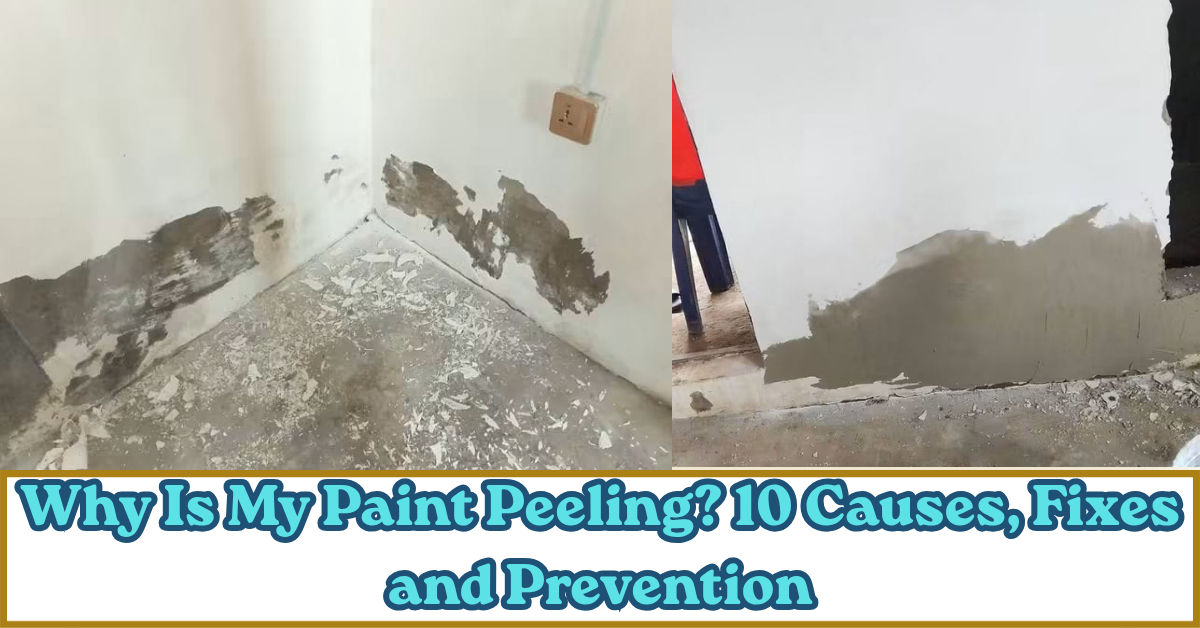
Why Is My Paint Peeling?
Paint peeling is one of the most frustrating problems homeowners or property developers face. You spend time and money painting your walls, only to notice bubbles, cracks, or flakes appearing a few weeks or months later. Besides making your home look unattractive, peeling paint can expose the wall surface to moisture and cause more serious damage if ignored.
The good news is that peeling paint is usually preventable. In most cases, it happens because of moisture, poor surface preparation, low-quality materials, or incorrect painting techniques. Once you identify the cause, you can repair the damaged area and prevent the problem from happening again. See: How to Prepare Walls Before Painting: Tips for a Perfect Finishing
In this article, i will share why paint peels, the 10 most common causes, how to fix each problem, and tips to ensure your next paint job lasts for years. Also read: Is Screeding Necessary Before Painting Walls? Everything You Need to Know
What Is Paint Peeling?
Paint peeling occurs when the paint film loses its bond with the surface underneath. Instead of remaining firmly attached, the paint begins to lift, crack, blister, or flake away.
Peeling can affect interior walls, exterior walls, ceilings, wood, metal, concrete, and plastered surfaces. It may occur in small patches or spread across large sections of the wall depending on the underlying problem.
How to Identify Paint Peeling
Before repairing peeling paint, determine the type of damage.
Common signs include:
| Sign | Description |
|---|---|
| Flaking | Small pieces of paint fall off the wall. |
| Blistering | Raised bubbles form beneath the paint. |
| Cracking | The paint develops visible cracks before peeling. |
| Chipping | Paint separates around edges or corners. |
| Bubbling | Air or moisture becomes trapped under the paint. |
Correctly identifying the problem helps you choose the right repair method.
10 Common Causes of Paint Peeling
1. Moisture Behind the Wall
Moisture is the leading cause of peeling paint.
Water weakens the bond between the paint and the wall. Over time, the paint begins to blister before eventually peeling away.
Common sources include leaking roofs, burst pipes, rising damp, poor drainage, leaking windows, and bathroom humidity.
How to Fix It
Repair the water source first.
Allow the wall to dry completely.
Scrape away loose paint.
Prime the surface with a moisture-resistant primer.
Repaint using quality interior or exterior paint. See: Best Paint for Every Part of Your House in Nigeria
2. Poor Surface Preparation
Painting over dirty, dusty, or greasy walls prevents proper adhesion.
Many people skip cleaning the wall before painting, which causes the paint to peel much sooner.
How to Fix It
Remove all loose paint.
Scrap the wall thoroughly to remove already loose paint.
Repair cracks and holes.
Allow the surface to dry. See: How Long Should Screeded Walls Dry Before Painting?
Apply primer before repainting.
3. Painting Over Damp Walls
Fresh plastering, screeding, or cement walls contain moisture that needs time to evaporate.
Painting too early traps moisture inside the wall.
Eventually, the paint loses adhesion.
How to Fix It
Allow newly plastered walls to cure completely.
Check that the wall is dry before applying primer. See: Wall Plastering vs Wall Screeding: Whats the Difference?
4. Low-Quality Paint
Cheap paint often contains lower-quality binders and pigments.
As a result, the paint film becomes weak and starts peeling much earlier than premium products.
How to Fix It
Remove damaged paint.
Use high-quality paint from reputable manufacturers. Or learn how to produce your own Premium quality paint here.
Apply the recommended number of coats.
5. Skipping Primer
Primer creates a strong bond between the wall and the paint.
Without primer, paint may not adhere properly, especially on fresh walls.
How to Fix It
Scrape away peeling paint.
Apply a suitable primer.
Allow it to dry fully.
Repaint the surface.
6. Applying Paint on a Glossy Surface
Glossy finishes prevent new paint from bonding properly.
Instead of sticking, the new paint eventually peels away.
How to Fix It
sand papper the glossy surface.
Clean away dust.
Apply a bonding primer.
Repaint.
7. Using the Wrong Paint Type
Interior paint should not be used outdoors.
Similarly, exterior paint may not perform well on certain indoor surfaces.
Using the wrong paint can reduce durability.
How to Fix It
Choose paint specifically designed for the surface and environment. See: How to Calculate Paint Quantity for House
Always follow the manufacturer’s recommendations.
8. Extreme Weather Conditions
Exterior paint applied during heavy rain, excessive humidity, or intense sunlight may not cure properly.
This weakens adhesion.
How to Fix It
Paint during suitable weather conditions.
Avoid painting when rain is expected.
Follow the recommended temperature range.
9. Too Many Paint Layers
Repeated painting over many years without removing old loose paint can eventually cause the entire paint system to fail.
How to Fix It
Remove unstable paint layers.
Sand the surface smooth.
Prime before repainting.
10. Poor Painting Technique
Applying coats that are too thick, failing to allow drying time between coats.
How to Fix It
Apply thin coats spread across evenly.
Allow proper drying time.
Use quality brushes and rollers.
How to Repair Peeling Paint
Repairing peeling paint properly helps restore the appearance of your walls and prevents the problem from returning.
Step 1
Identify the cause.
Never repaint before solving the underlying problem.
Step 2
Scrape away all loose paint.
Continue until only firmly bonded paint remains.
Step 3
Sand the edges.
This creates a smooth transition.
Step 4
Repair damaged areas.
Fill cracks and holes with suitable filler.
Step 5
Apply primer.
Use the correct primer for the surface.
Step 6
Repaint.
Apply two or three even coats of quality paint.
How to Prevent Paint Peeling
Prevention is always more affordable than repairs.
Keep walls dry.
Repair plumbing leaks immediately.
Allow fresh plaster to cure and dry fully.
Always clean surfaces before painting.
Use quality primers.
Buy high-quality paint. or Learn how produce your own quality paint at Paint Production Academy here..
Paint during suitable weather.
Apply thin coats.
Allow adequate drying time.
Hire experienced painters for major projects.
Best Paint for Preventing Peeling
Quality paint provides stronger adhesion and better durability.
For interior walls, use premium acrylic matte paint and emulsion paint or use satin paint if walls are screeded.
For exterior walls, choose weather-resistant exterior acrylic matte paint. See: How To Produce Quality Acrylic Matt Paint Step By Step
Bathrooms and kitchens benefit from moisture-resistant paint.
Metal surfaces require metal primers before painting.
Wood surfaces perform best with wood primer followed by quality finishing paint.
Mistakes That Cause Paint to Peel
Many homeowners unknowingly shorten the lifespan of their paint.
Painting over dusty walls.
Skipping primer.
Using cheap paint.
Ignoring water leaks.
Painting damp walls.
Applying thick coats.
Not allowing drying time.
Mixing incompatible paint types.
Choosing the wrong paint for the surface.
Hiring inexperienced painters.
FAQs
1. Why is my newly painted wall peeling?
This often happens because the wall was damp, dirty, improperly primed, or painted before curing or drying completely.
2. Can I paint over peeling paint?
No.
Loose paint must be removed completely before repainting.
Painting over peeling paint only hides the problem temporarily.
3. Does moisture always cause peeling paint?
Moisture is the most common cause, but poor surface preparation, cheap paint, incorrect primers, and bad painting techniques can also lead to peeling.
4. How long should I wait before painting new plastering wall?
Most plastered or screeded walls should cure and dry for several weeks before painting. The exact time depends on the wall thickness, weather conditions, and moisture level. Ensure the surface is fully dry before applying primer.
5. Can peeling paint be repaired without repainting the whole wall?
Yes.
Small areas can often be repaired by scraping, sanding, priming, and repainting the affected section. However, extensive peeling may require repainting the entire wall for a uniform finish.
6. Will primer stop paint from peeling?
Primer significantly improves adhesion and reduces the risk of peeling, but it cannot compensate for problems such as moisture or poor surface preparation. Those issues must be addressed first.
Conclusion
If you’ve been asking, “Why is my paint peeling?“, the answer usually lies in one or more common issues such as moisture, poor surface preparation, skipping primer, using low-quality paint, or applying paint under unsuitable conditions. Identifying the root cause is the first step toward a lasting solution.
A successful paint job is about more than choosing the right colour. Proper wall preparation, quality materials, correct application techniques, and allowing adequate drying time all play a vital role in achieving a durable finishing. By following the repair methods and prevention tips in this article, you can protect your walls from peeling, extend the life of your paint, and keep your home looking fresh and well maintained for years to come.

Godwin Zion is the founder of Paint Production Academy and a professional paint production trainer with over 18 years of practical experience in paint production, POP ceiling installation, construction finishing, and interior project execution. He teaches practical emulsion, acrylic Matte, and satin paint production using simplified step-by-step methods designed for homeowners, painters, engineers, property developers, artisans, and entrepreneurs. Through Paint Production Academy, he has helped students across Nigeria, Ghana, Cameroon and other part of the world learn valuable paint production skills that can reduce construction costs and create profitable opportunities.