Chemicals for Screeding Paint: Complete List and Their Functions
Chemicals for Screeding Paint

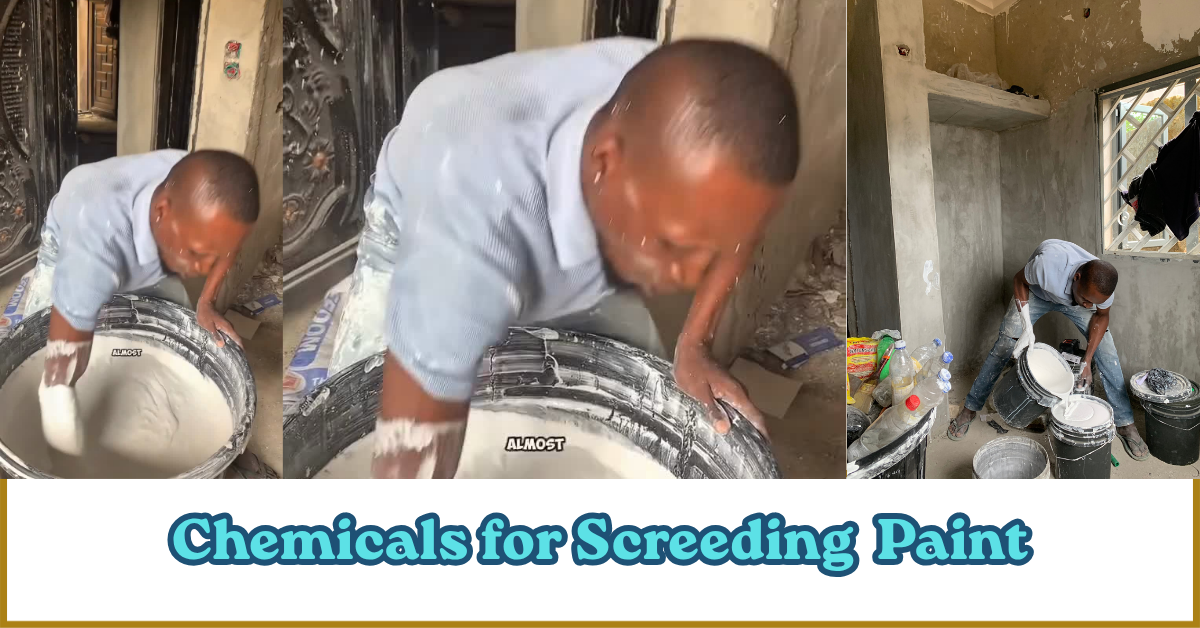
If you want to produce quality screeding paint, one of the first things you need to understand is the chemicals used in the production and the function of each chemical. Using the wrong material, incorrect quantity, or poor-quality raw material can affect the consistency, coverage, stability, and overall quality of your screeding paint. The chemicals … Read more
Chemicals for Satin Paint: Complete List and Their Functions

Chemicals for Satin Paint

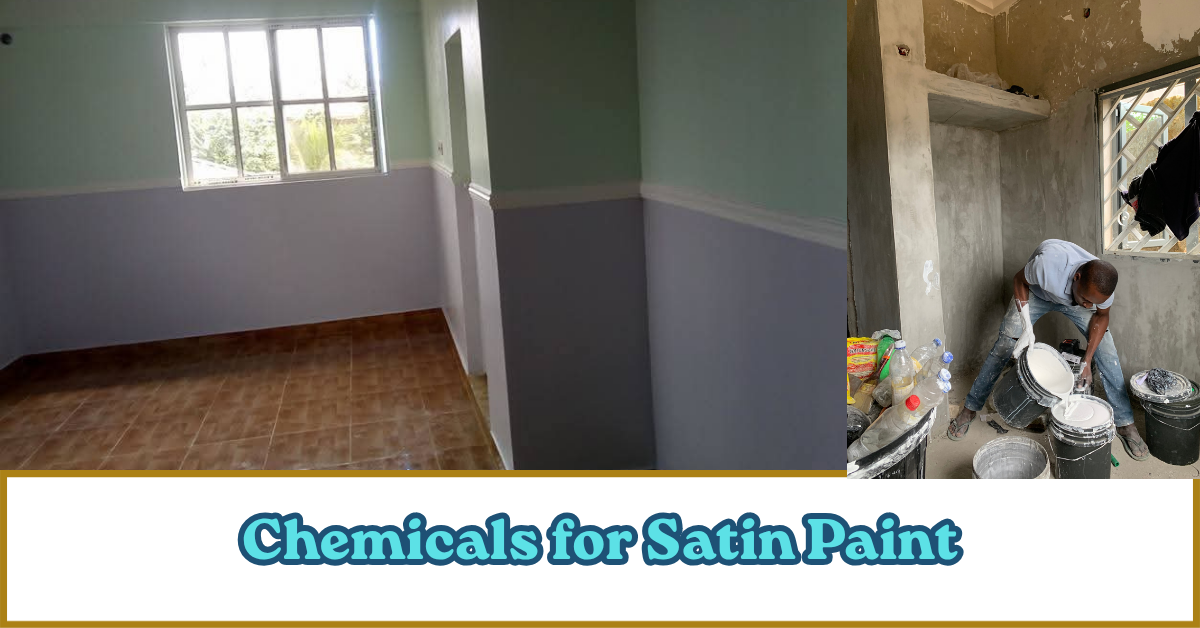
Satin paint is known for its smooth appearance, soft sheen and glittering appearance, making it a very popular choice for interior walls. But what chemicals are used to make satin paint? If you are learning paint production, understanding the answer is important because satin paint is not simply matt paint with extra colour or calcium … Read more

Chemicals for Emulsion Paint: Complete List and Their Functions

chemicals for emulsion paint

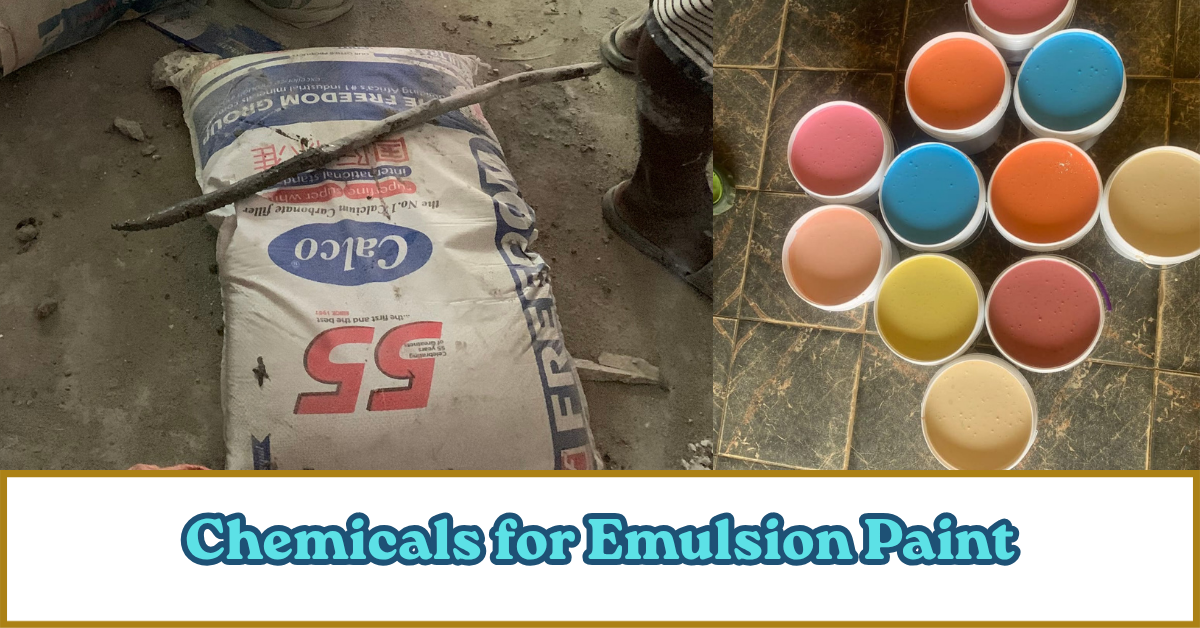
Chemicals for Emulsion Paint Emulsion paint is one of the most widely used paints for interior and exterior walls and ceilings, but producing quality emulsion paint requires more than simply mixing chemicals together. Each raw material and chemicals has a specific function. Some provide colour and coverage, some form the paint film, some control thickness, … Read more

Why Is My Paint Peeling? 10 Causes, Fixes and Prevention

Why Is My Paint Peeling

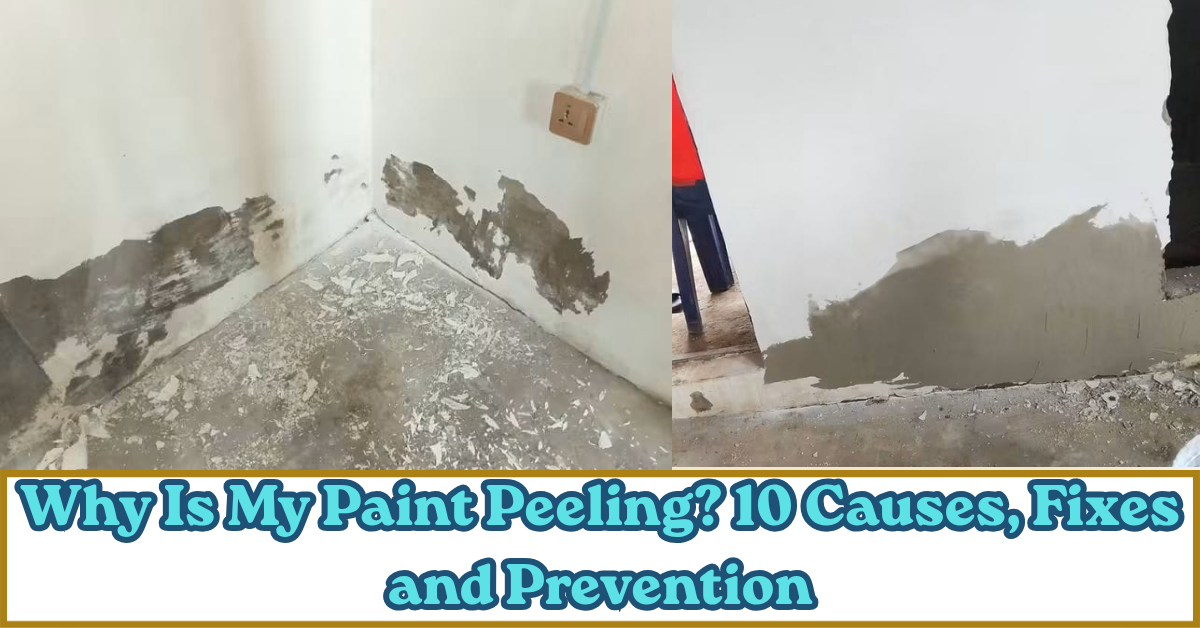
Paint peeling is one of the most frustrating problems homeowners or property developers face. You spend time and money painting your walls, only to notice bubbles, cracks, or flakes appearing a few weeks or months later. Besides making your home look unattractive, peeling paint can expose the wall surface to moisture and cause more serious … Read more

How Long Should Screeded Walls Dry Before Painting?

How Long Should Screeded Walls Dry Before Painting

One of the biggest mistakes people make after building or renovating a house is painting screeded walls immediately. Although the walls may look dry on the surface, moisture can still be trapped inside. Applying paint before the wall has dried completely can lead to peeling, blistering, mould growth, discolouring, poor paint adhesion and making paint … Read more

error: Content is protected !!